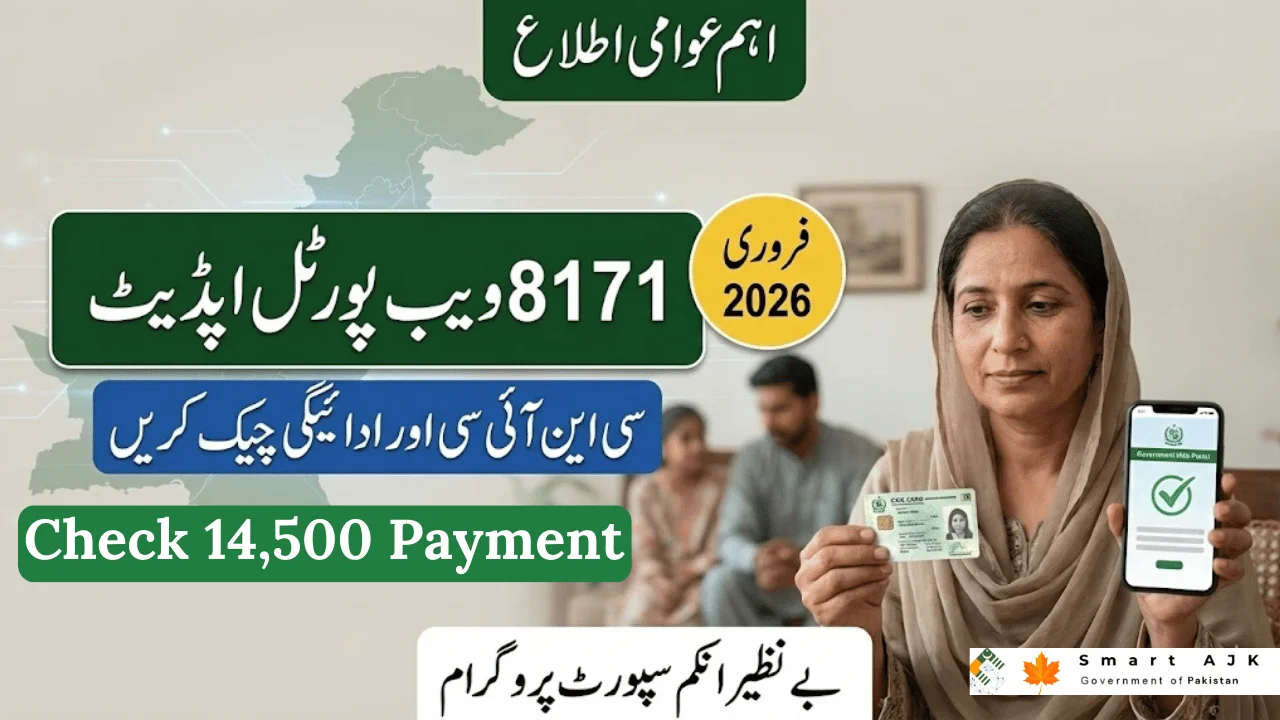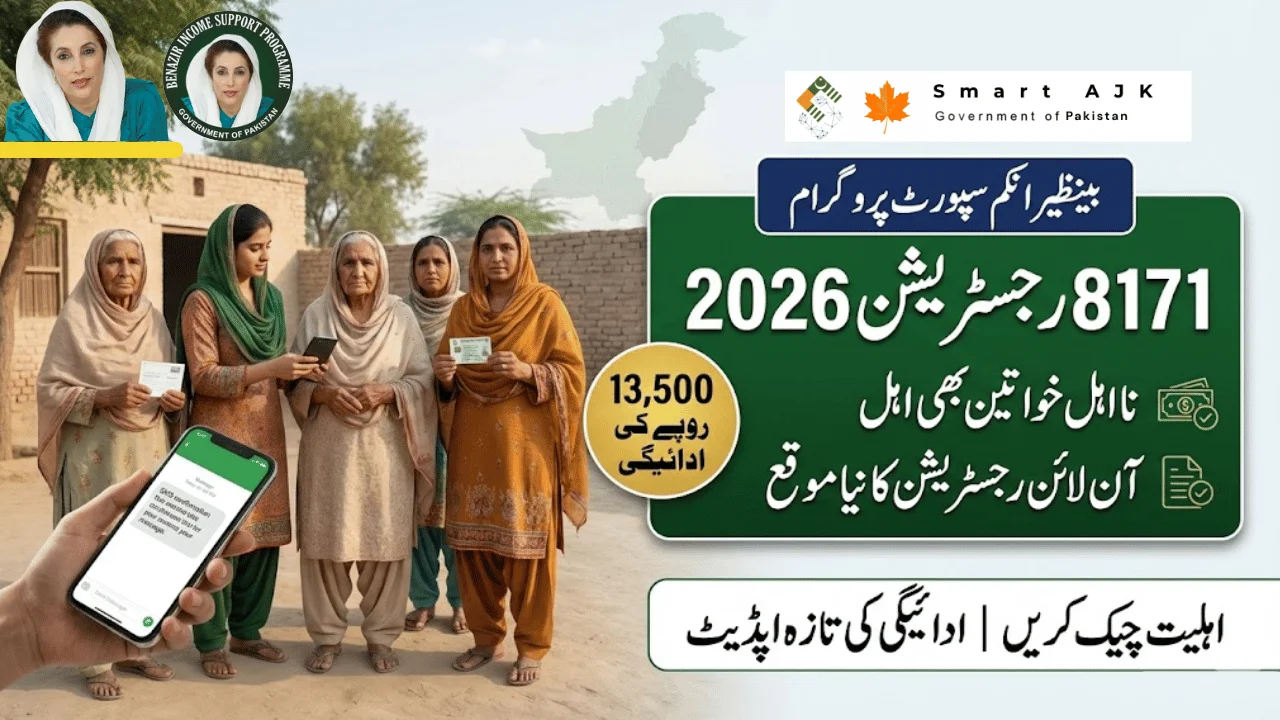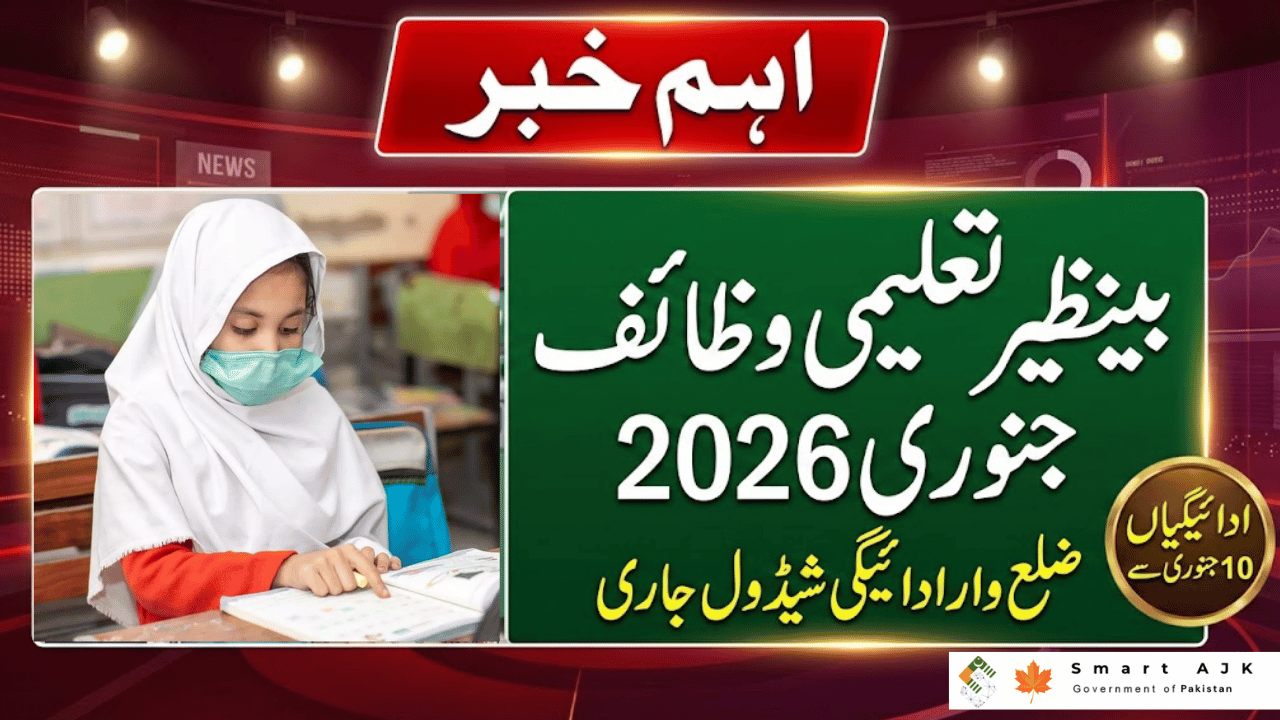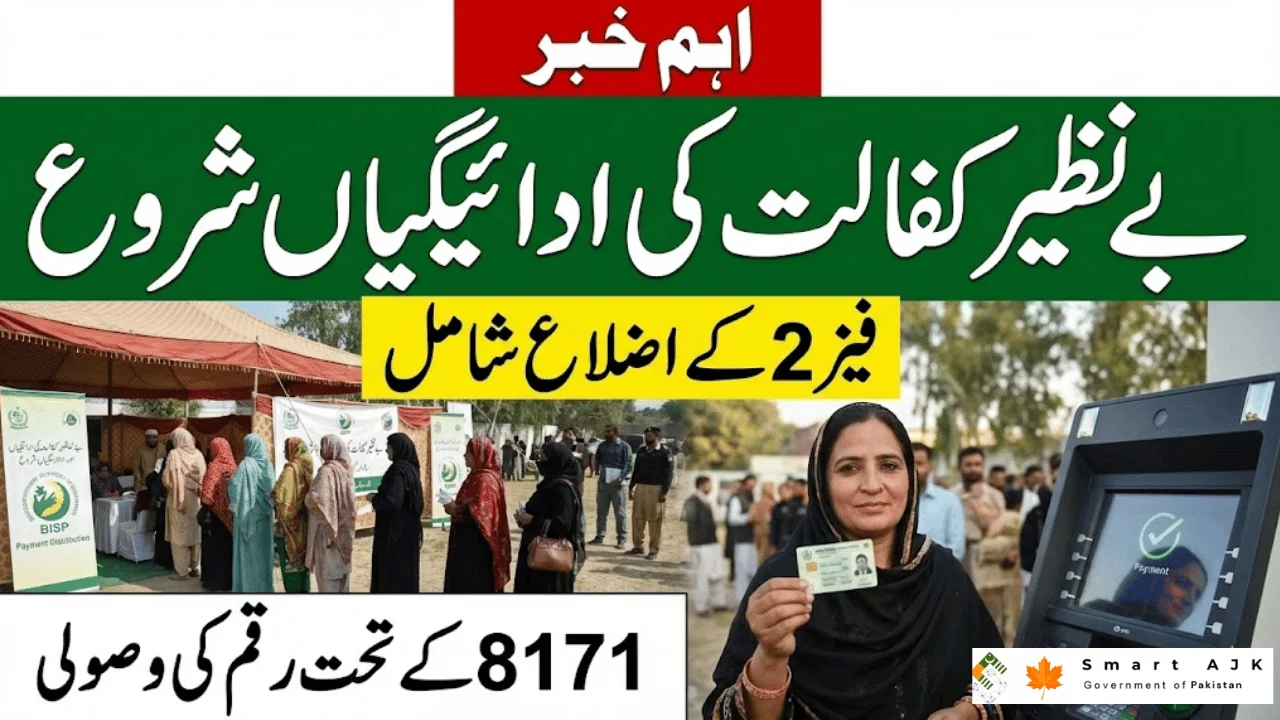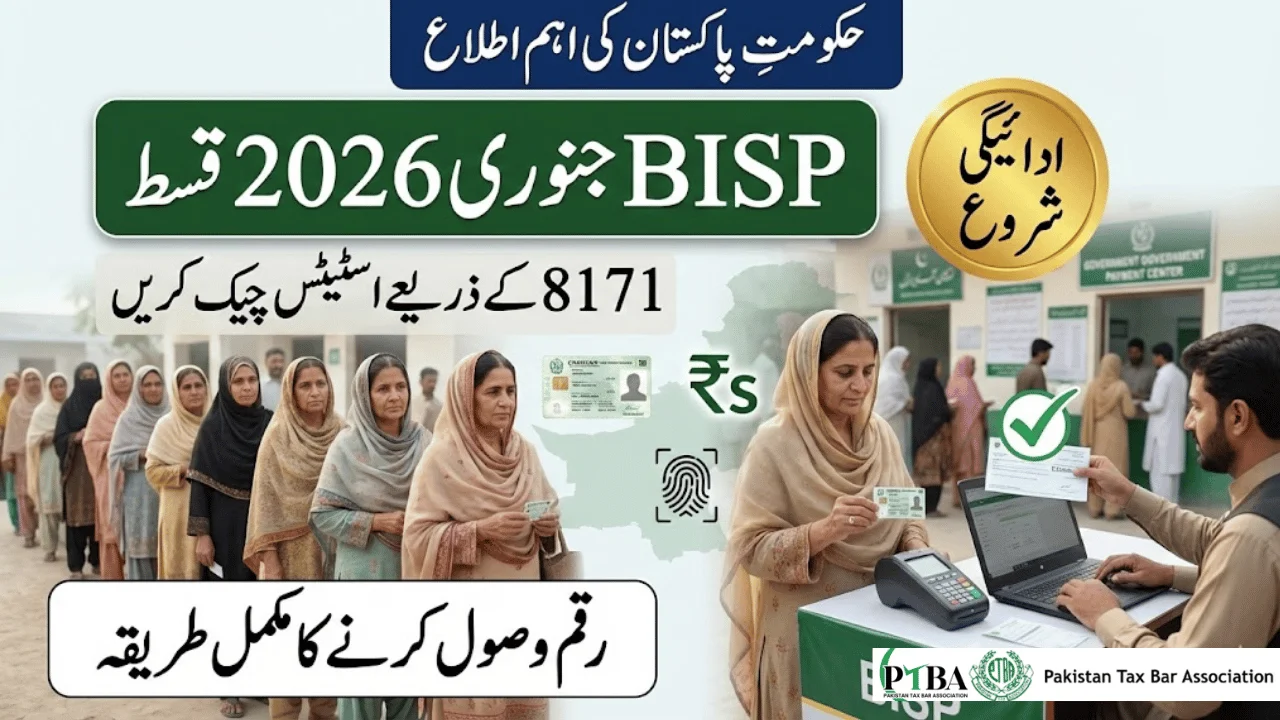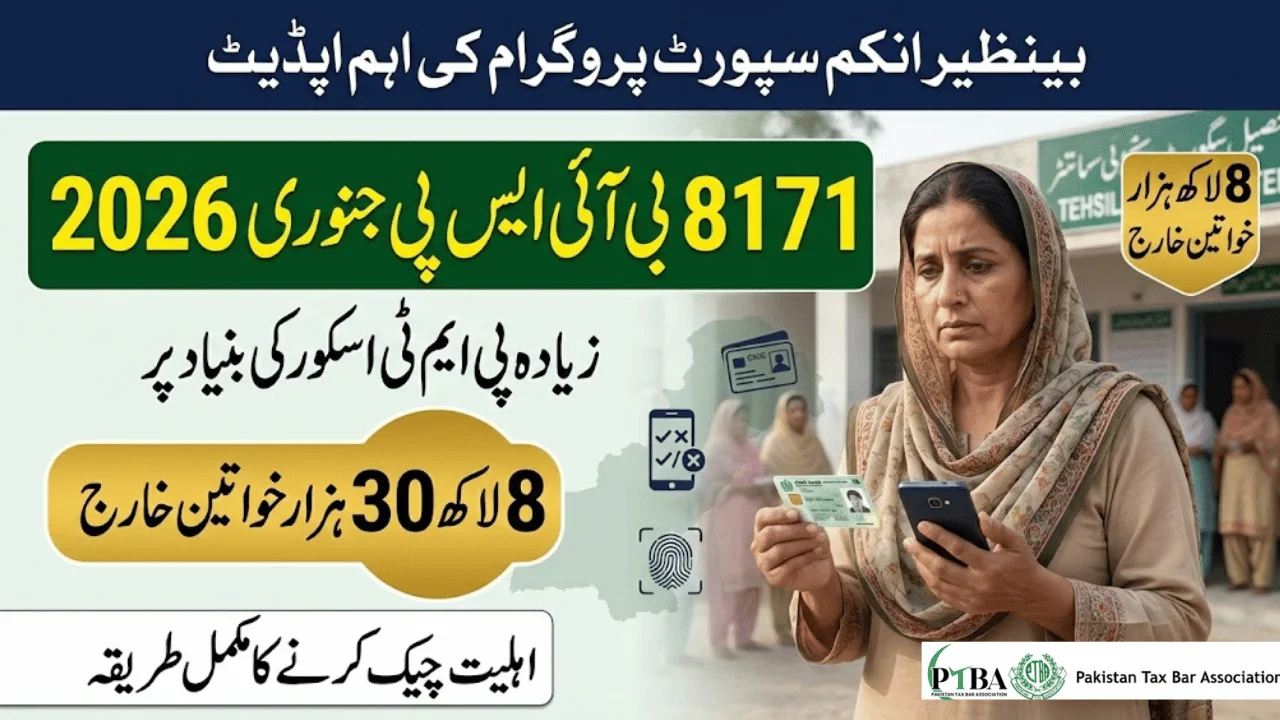
The BISP 8171 Update January 2026 has brought an important change to Pakistan’s social protection system. Under a nationwide verification drive, 830,000 women have been removed from the beneficiary list after their PMT (Poverty Means Test) score was found to be above the eligibility threshold.
The decision was announced by the Benazir Income Support Programme (BISP) to ensure that limited public funds are directed only to the most deserving and genuinely poor households.
Why Did BISP Remove 830,000 Women in January 2026?
The removals are the result of updated data verification carried out through the National Socio-Economic Registry (NSER) in coordination with NADRA. This verification reassessed households based on income, assets, and lifestyle indicators.
BISP officials clarified that this step is not a punishment, but a policy correction to improve transparency and fairness. Families whose financial condition has improved over time no longer qualify under BISP rules.
Key Reasons for Exclusion Due to High PMT Score
According to official findings, beneficiaries were removed if one or more of the following indicators applied:
-
Government employment or regular pension
-
Ownership of vehicles (car, jeep, or registered motorcycle)
-
Multiple international travel records
-
Ownership of agricultural land or valuable property beyond limits
-
Monthly electricity consumption above 1,000 units
-
High telecom spending (over Rs. 10,000 per year)
-
Receiving benefits from other government subsidy programs
These factors indicate financial stability, which disqualifies households from BISP assistance.
What Is PMT Score and Why It Matters?
The PMT (Poverty Means Test) score is a data-based system used to measure a household’s poverty level. It considers income sources, assets, utility usage, and living conditions.
-
Low PMT score → Eligible for BISP
-
High PMT score → Considered financially stable and removed
This system helps ensure that cash assistance reaches families living below the poverty line.
Who Will Still Remain Eligible for BISP in 2026?
Despite the large-scale removal, BISP continues to protect Pakistan’s most vulnerable citizens. The following groups remain eligible:
-
Widows without financial support

-
Jobless women and households with no stable income
-
Families with disabled members or disabled breadwinners
-
Landless poor families
-
Orphans and vulnerable children
-
Households with extremely low or no assets
Payments for these groups continue without interruption.
How to Check BISP 8171 Status in January 2026
Beneficiaries can easily check their status using official methods:
1. SMS Method
Send your CNIC number to 8171 and wait for the eligibility reply.
2. Online Portal
Visit the official 8171 BISP web portal, enter your CNIC, and check your payment or eligibility status.
3. BISP Tehsil Office
Visit the nearest BISP Registration or Tehsil Office for staff-assisted verification.
👉 Always rely on official channels only.
Removed by Mistake? Re-Verification Process Explained
If you believe you were wrongly removed, BISP provides a re-verification facility.
Steps for Re-Verification:
-
Visit your nearest BISP Registration Center
-
Submit required documents:
-
CNIC copies
-
Income certificate (if applicable)
-
Utility bills (electricity/gas)
-
Proof of land or property (if any)
-
-
Your case will be reviewed under updated criteria
If found eligible, your name can be re-added to the beneficiary list.
BISP Payments for Eligible Families (2026)
For families who remain eligible:
-
Quarterly stipend of Rs. 13,500 continues
-
Education stipends (Taleemi Wazaif) remain active for children
-
Payments are made through:
-
Partner banks
-
Biometric ATMs
-
Official BISP payment centers
-
New deserving families will also be enrolled to replace those removed.
Who Is Out vs. Who Stays (Quick Comparison)
| Removed from BISP | Still Eligible for BISP |
|---|---|
| Government job holders | Widows |
| Pension receivers | Disabled households |
| Vehicle owners | Landless poor families |
| Frequent international travelers | Orphans & vulnerable children |
| Property owners | Jobless women |
| High electricity users | Extremely poor households |
Final Words
The BISP 8171 January 2026 update reflects the government’s effort to make Pakistan’s largest cash assistance program fair, transparent, and data-driven. While the removal of 830,000 women may seem significant, it ensures that limited resources reach those who need them the most.

This article is published for informational and educational purposes only. nise.org.pk is not an official government website and is not affiliated with any government department. Readers are advised to verify all information from official sources before taking any action.