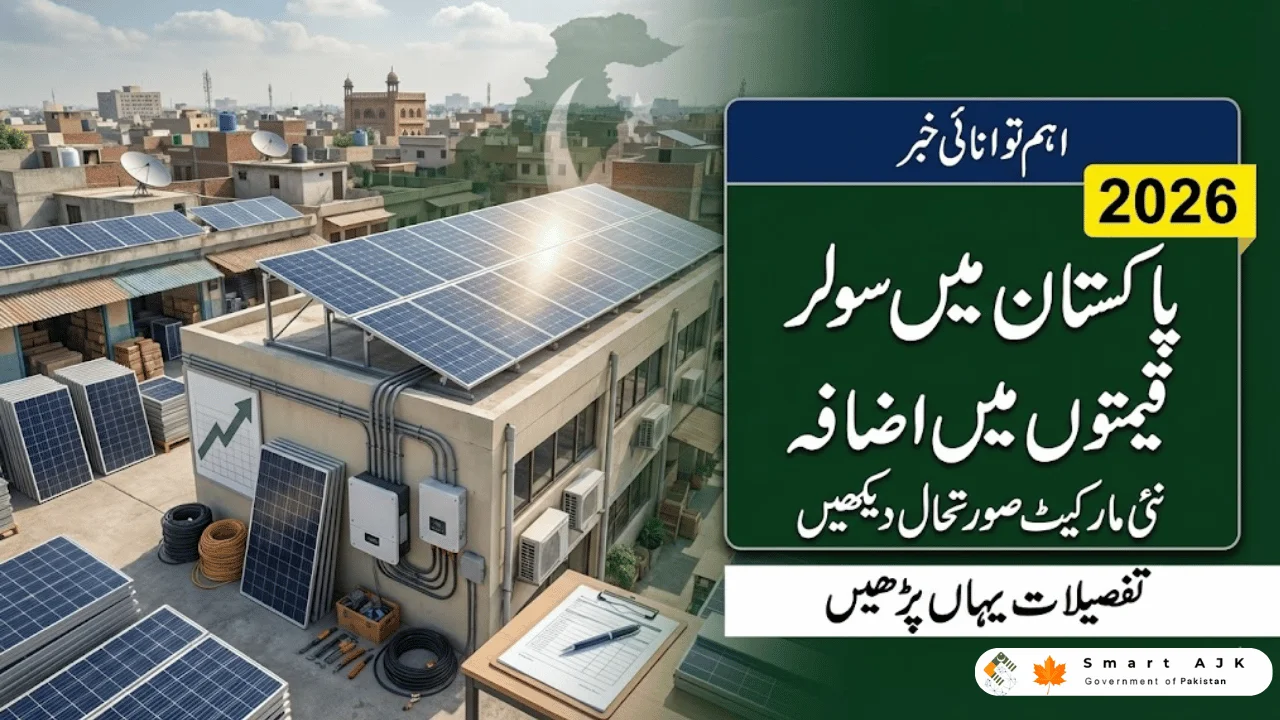
Solar energy, once seen as a cost-saving escape from rising electricity bills, has become noticeably more expensive in 2026. Across Pakistan, buyers are now facing significantly higher solar panel prices, especially for popular high-wattage imported models. The sudden jump has caught households and small businesses off guard, particularly those planning installations early this year.
What’s Happening to Solar Panel Prices?
Since January 2026, solar panels available in local markets have seen sharp price increases, with the biggest impact on Chinese-imported panels that dominate Pakistan’s solar sector. Retailers report that prices have climbed across multiple watt categories, making new installations more expensive than just a few months ago.
Panels that were considered affordable options in late 2025 are now selling at much higher rates, reflecting changes far beyond local market dynamics.
Why Are Solar Panels Getting Expensive in 2026?
Industry insiders point to a combination of global and domestic factors behind the surge:
-
Rising global metal prices: Solar panels rely heavily on silver and copper. International price hikes in these metals have increased manufacturing costs.

-
Higher import costs: New and existing taxes on imported solar equipment have added pressure to retail prices.
-
Strong local demand: With grid electricity remaining unreliable and costly, demand for solar solutions continues to grow.
-
Upward trend in China: Chinese manufacturers, the main suppliers for Pakistan, have raised export prices due to increased production expenses.
Together, these factors have pushed per-watt solar costs steadily upward over the past several months.

Impact Beyond Solar Panels
The price increase is not limited to panels alone. Solar batteries, a critical part of off-grid and hybrid systems, have also become more expensive. Over the last month alone, battery prices have risen by around 10%, increasing the overall cost of complete solar setups.
This means buyers now need a larger upfront budget compared to last year, even for basic residential systems.
Is There Any Relief Ahead?
Despite the price surge, Pakistan still has ample solar inventory, thanks to heavy imports over the past two years. This has prevented prices from rising even faster. However, experts warn that if global material costs continue climbing, further increases cannot be ruled out.
Some market players believe competition among solar technologies may help stabilize prices later in the year, but short-term relief appears unlikely.

What This Means for Buyers
For consumers considering solar in 2026:
-
Delaying purchases may not guarantee lower prices
-
Budget planning is more important than ever
-
Comparing vendors and system sizes can help manage costs

Solar energy remains a long-term solution for high electricity bills, but the entry cost in 2026 is clearly higher than before.
Bottom Line
The solar panel price hike in Pakistan in 2026 is driven by global cost pressures, import taxes, and strong local demand. While solar power still offers long-term savings, buyers should expect higher upfront expenses and plan accordingly. Keeping an eye on market trends and official policy changes will be crucial in the months ahead.





This article is published for informational and educational purposes only. nise.org.pk is not an official government website and is not affiliated with any government department. Readers are advised to verify all information from official sources before taking any action.