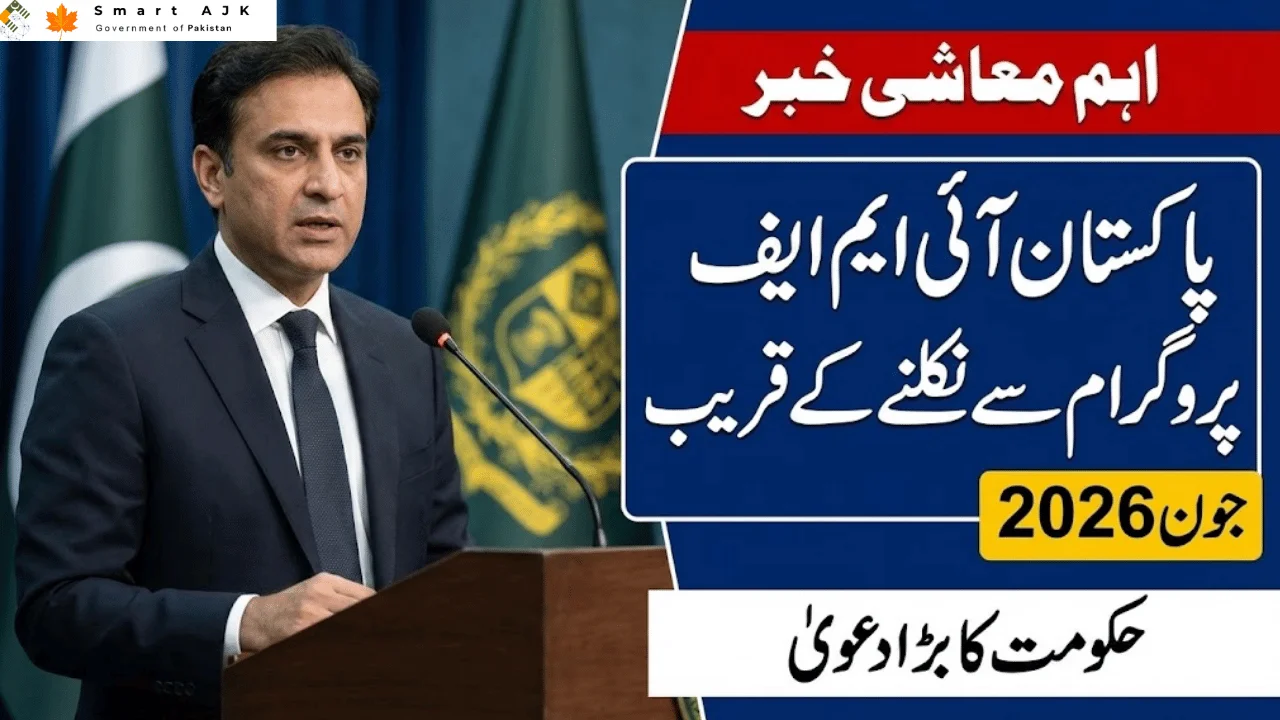
Pakistan is likely to end its reliance on the International Monetary Fund by the middle of 2026, according to a fresh statement by Rana Mashhood Ahmad Khan, Chairman of the Prime Minister’s Youth Programme. Speaking to members of the Pakistani diaspora in London, he said the country is moving steadily toward economic stability and self-reliance.
What the Announcement Means
The statement signals growing confidence within government circles that Pakistan can manage its economy without external bailout support. Exiting the International Monetary Fund programme would mark a major shift after years of dependence on IMF-backed arrangements to manage fiscal gaps and balance-of-payments pressure.
Why the Government Is Confident
According to Mashhood Ahmad Khan, several indicators suggest improvement:
-
Strong growth in overseas remittances, which provided billions of dollars in foreign exchange during 2025
-
Renewed investor confidence, especially among overseas Pakistanis

-
Improved fiscal discipline and early results from structural reforms
-
Focus on exports and productivity, aimed at strengthening foreign exchange reserves

He noted that remittances have become a key pillar of economic support, helping stabilize reserves and ease pressure on the rupee.
Looking Back at IMF-Linked Challenges
The PMYP chairman pointed out that economic policies tied to IMF programmes after 2018 slowed growth and limited flexibility. He said the current economic direction is different, with more emphasis on long-term sustainability rather than short-term fixes.

Role of Youth and Entrepreneurship
A major part of the government’s strategy, he said, is encouraging youth-led entrepreneurship. Expanding small businesses, boosting skills, and increasing participation in exports are seen as essential to building a self-sustaining economy that does not require repeated bailout programmes.
What Happens Next
If current trends continue, Pakistan aims to complete its IMF commitments and formally exit the programme by June 2026. This would reduce external oversight of economic policy and give the government more room to manage growth, spending, and development priorities.
Bottom Line
The claim that Pakistan could leave the IMF programme by mid-2026 reflects optimism driven by higher remittances, improving confidence, and ongoing reforms. Whether this target is achieved will depend on maintaining fiscal discipline, supporting exports, and keeping economic momentum intact over the coming months.





This article is published for informational and educational purposes only. nise.org.pk is not an official government website and is not affiliated with any government department. Readers are advised to verify all information from official sources before taking any action.